
The most useful conclusion from this long ZimaOS-vs-DSM discussion is not that one NAS OS “wins.” Synology DSM represented the mature, appliance-first benchmark: long-tested storage workflows, monitoring, migration, permissions, and administrative tools. ZimaOS represented a newer, hardware-flexible, Docker-centric NAS platform trying to make self-hosting simpler without closing off YAML or CLI access.
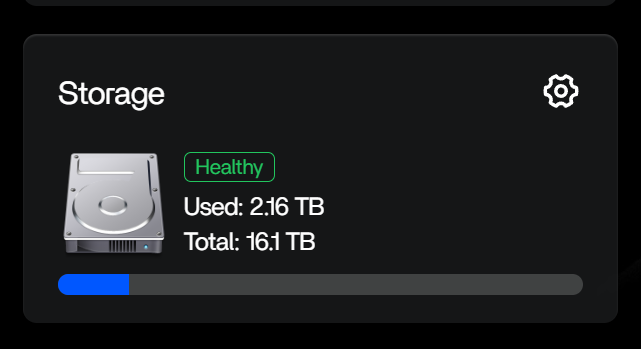
Several criticisms in the thread were valid, but IceWhale also corrected important technical misunderstandings. Most notably, ZimaOS does not build its RAID 5/6 storage on native Btrfs RAID. Community contributor raller1028 summarized the architecture as Linux mdadm RAID with Btrfs used as the mounted filesystem. That distinction matters when comparing ZimaOS data-safety claims with older warnings about native Btrfs RAID5/6.
The RAID Criticism Needed an Important Architecture Correction
A community critic warned that Btrfs RAID5 could be unsafe. Zima-Giorgio replied that ZimaOS deliberately does not use native Btrfs RAID for its RAID implementation. Another contributor clarified the stack as mdadm for RAID plus Btrfs as the filesystem.
This does not prove every ZimaOS RAID workflow is as mature as DSM. It does mean the comparison should not evaluate ZimaOS as though it were simply exposing native Btrfs RAID5/6.
DSM Still Set a Higher Expectation for Disk Diagnostics
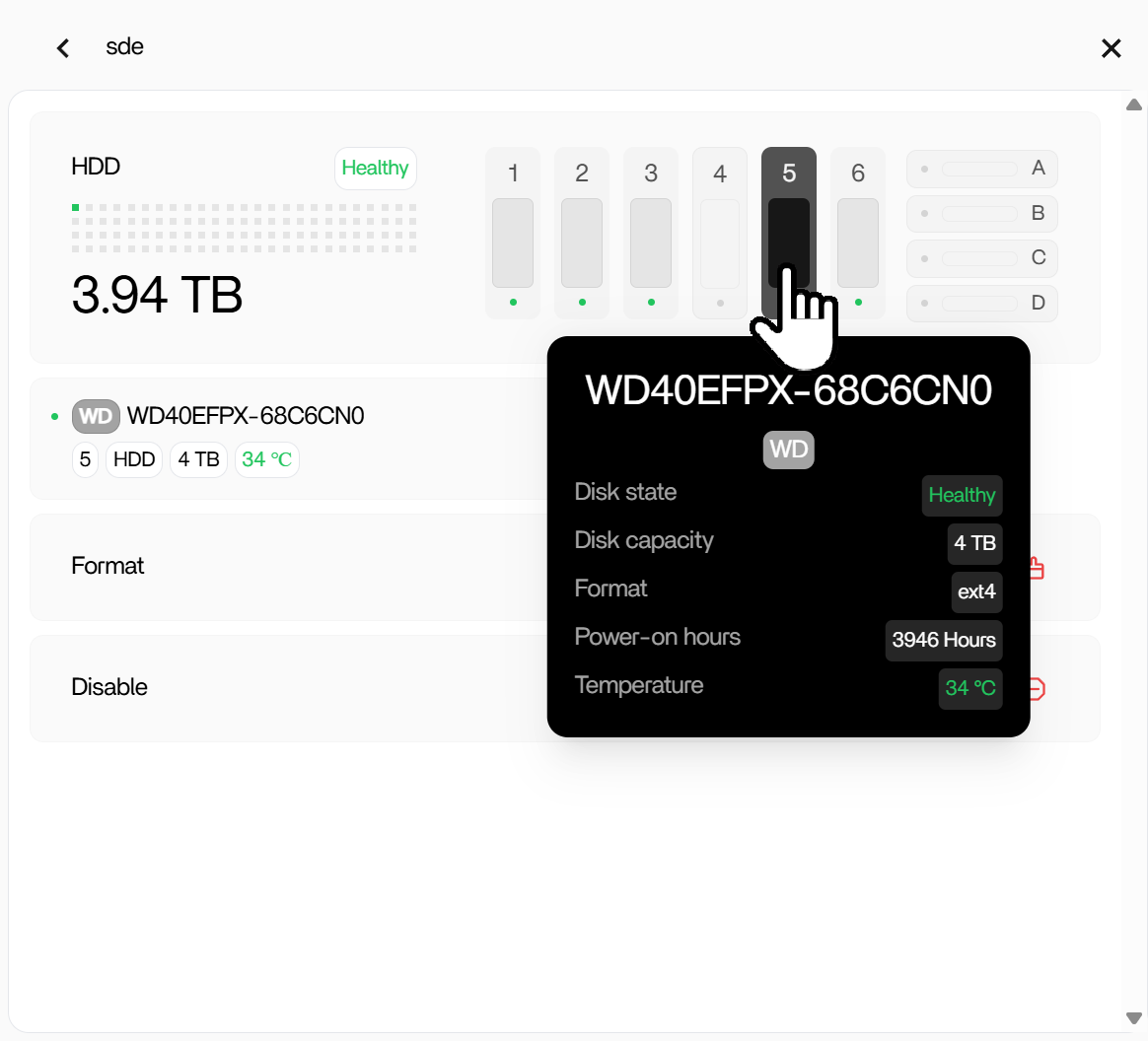
The critic said DSM provided substantially more disk-health information. IceWhale replied that ZimaOS already showed overall health on the dashboard plus partial S.M.A.R.T. data under Storage, while acknowledging that the UI could make those details easier to discover.
Multi-User Was Real but Still Being Expanded
IceWhale rejected the idea that ZimaOS users were only Samba identities. Giorgio said the product direction included independent users with their own file spaces, login interfaces, and dashboards, while admitting the multi-user experience was still being enriched.
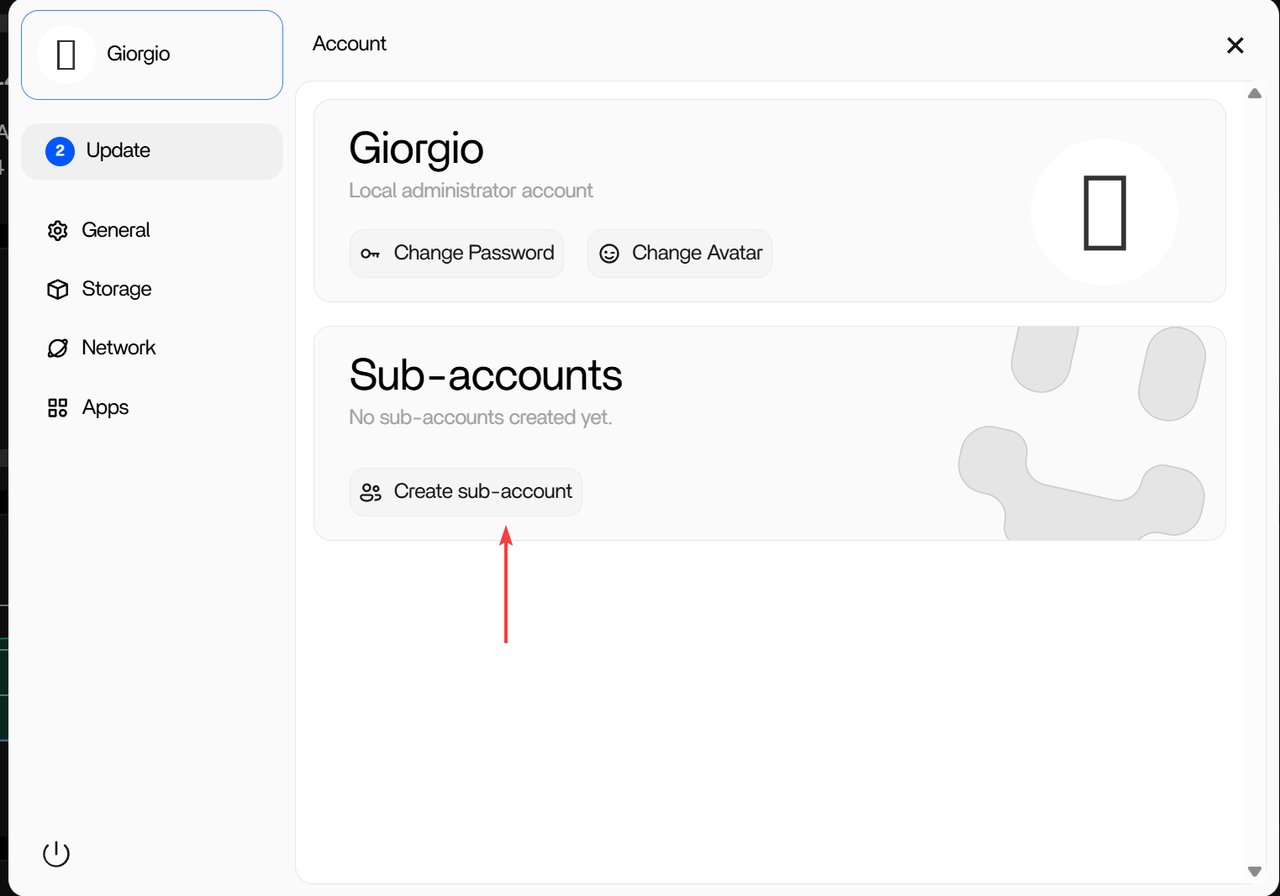
Current ZimaOS documentation now ties shared-folder permissions to ZimaOS user accounts, but a buyer comparing it with DSM should still verify the exact admin/user separation and workflow needed for their household or business.
The Task-Scheduler Gap Was Acknowledged
In September 2025, IceWhale said a preliminary scheduling implementation existed and that the team wanted a simpler GUI rather than forcing users into cron editing. The thread does not establish a DSM-equivalent graphical task scheduler as a finished feature.
If task automation is central to the purchase decision, evaluate the current release rather than treating either the 2025 criticism or roadmap statement as a permanent feature promise.
ZimaOS Preserved YAML and CLI Alongside One-Click Apps
The critic initially thought ZimaOS forced users into its own app-creation parameters. Giorgio clarified that one-click installation was the simplified default, while YAML and CLI remained available for advanced deployments.
Current ZimaOS documentation now explicitly promotes one-click App Store installation or your own Docker Compose. That makes the original “you are not really free” claim historically incomplete.
See the current ZimaOS platform documentation before comparing present-day feature depth.
The Read-Only Host Is a Philosophy Difference, Not an Accidental Limitation
DSM and ZimaOS both protect appliance internals, but ZimaOS makes its Buildroot-based read-only design particularly explicit. Giorgio said SSH is primarily an advanced/support channel and that most of the filesystem remains read-only by default.
Users who want unrestricted package management may prefer a conventional Linux host. Users who want an appliance OS with apps isolated in Docker or VMs may see that same restriction as a reliability feature.
“Migration” Means More Than Copying Files
The community pushed IceWhale on a harder question: can an existing multi-disk RAID move to new hardware and be recognized cleanly? IceWhale's initial answer focused on CasaOS-to-ZimaOS and ZimaOS-to-ZimaOS migration, but the critic correctly separated file migration from motherboard/hardware migration of an existing array.
For current production systems, verify the exact supported recovery/import path for the RAID layout before assuming DSM Migration Assistant and ZimaOS provide equivalent hardware-migration semantics.
Who Fits Each Platform Better?
The thread's most durable comparison came from users who had run both ecosystems: DSM favors buyers who want a mature, tightly integrated NAS appliance with extensive administrative depth; ZimaOS appeals more to users who value x86 hardware choice, Docker-first self-hosting, a modern UI, and the ability to tinker when needed.
Those audiences overlap more in 2026 than they did in 2025, but robustness, support expectations, hardware freedom, and administrative depth remain better decision factors than a simple feature-count table.
ZimaOS vs DSM FAQ
Does ZimaOS use native Btrfs RAID5/6?
The source discussion says no. IceWhale/community clarification describes ZimaOS RAID as Linux mdadm with Btrfs used as the filesystem.
Was ZimaOS Docker limited to one-click apps?
No. IceWhale explicitly said YAML and CLI installation were preserved for advanced users, and current documentation promotes Docker Compose.
Did IceWhale claim ZimaOS had already reached DSM-level maturity?
No. Staff acknowledged that the platform still had milestones ahead and described several requested features as being implemented or planned.


