
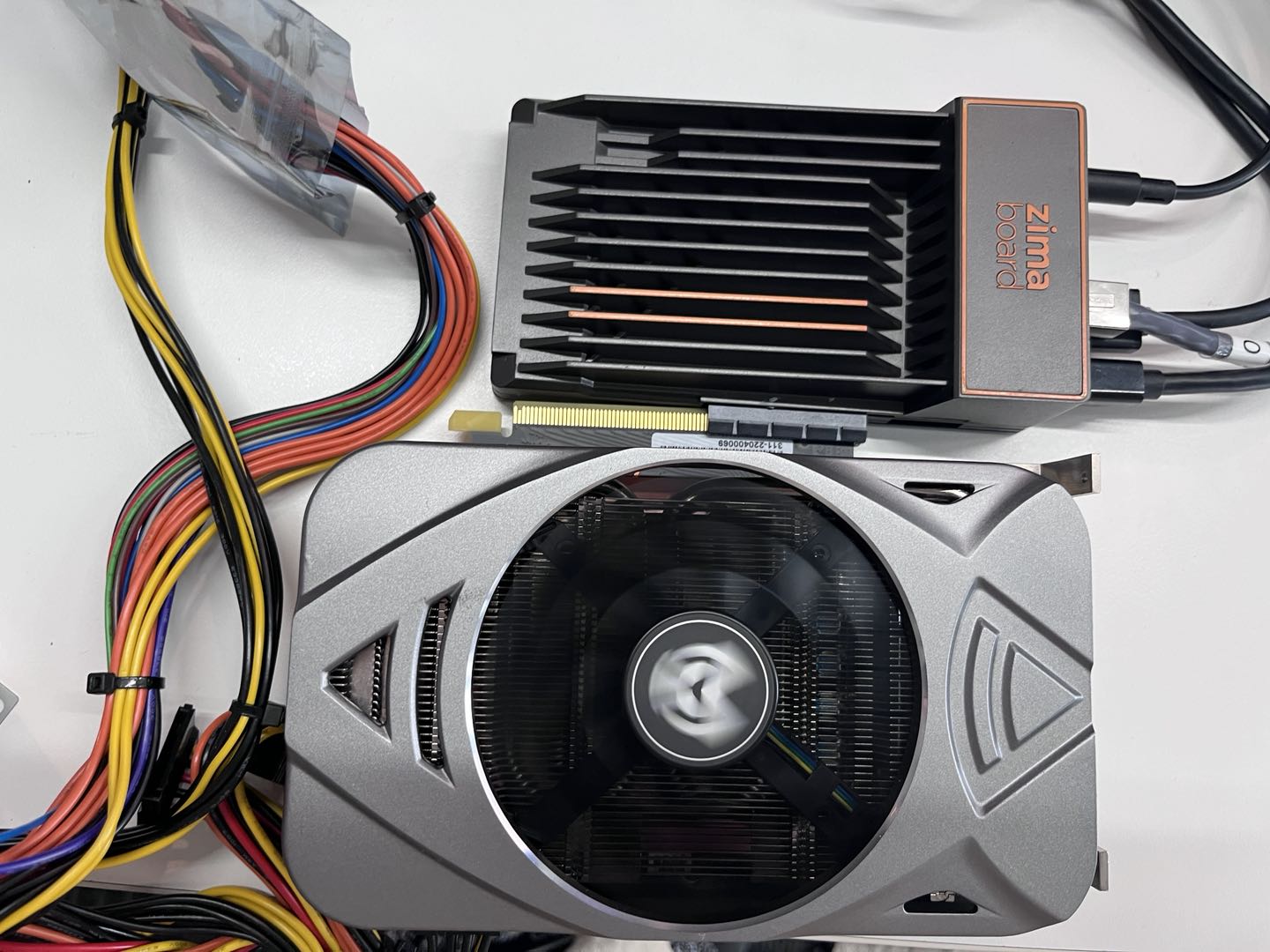
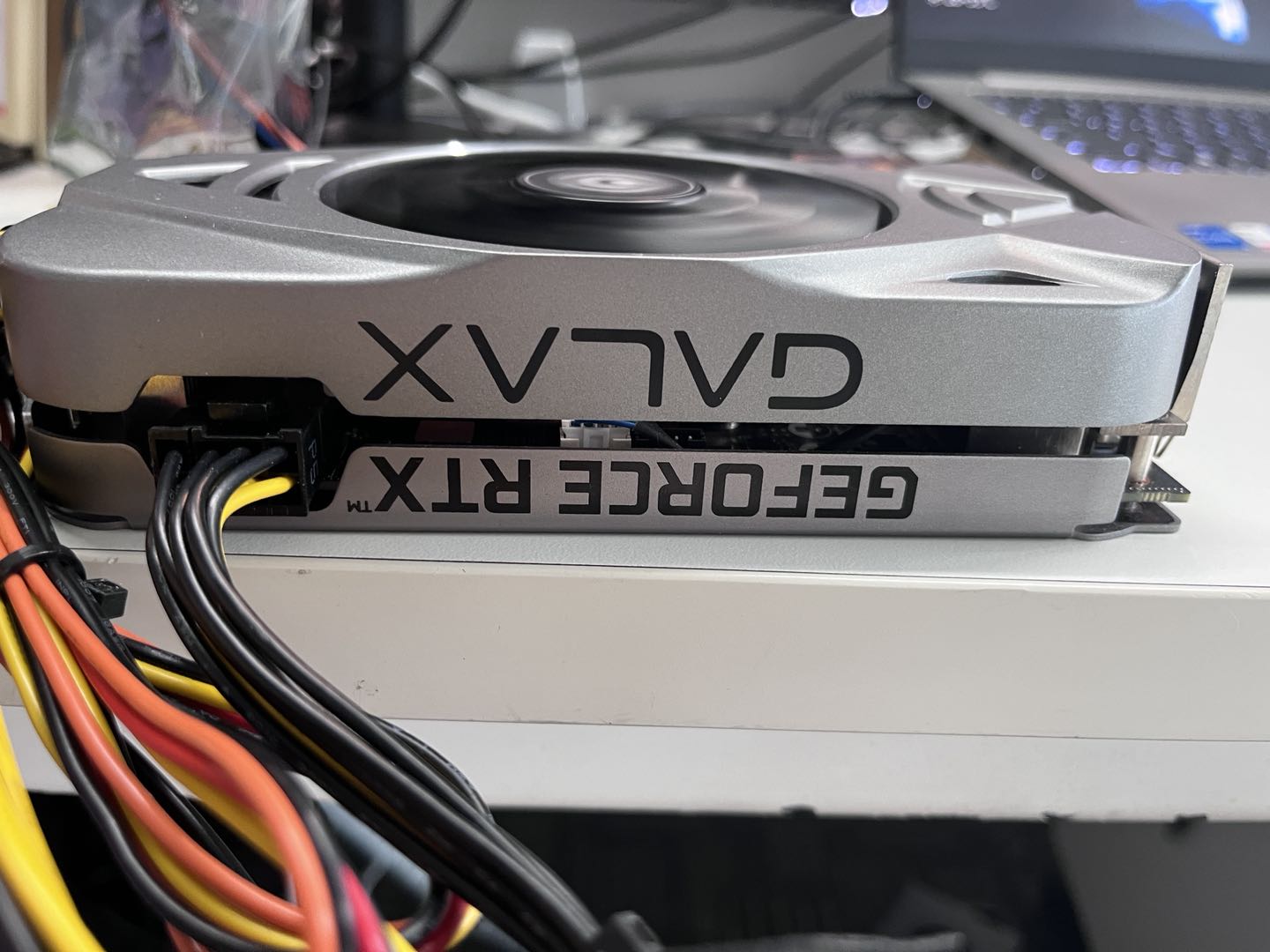
The source proves an important hardware idea: a ZimaBoard can physically use a discrete NVIDIA GPU through PCIe, and the author demonstrated an RTX 3050 for containerized media acceleration. But the software instructions belong to a 2023 CasaOS/Debian-style environment, not current ZimaOS.
Commands such as apt install linux-image-generic, apt install build-essential, manually running NVIDIA's .run installer, and installing nvidia-container-toolkit with APT should not be copied onto modern ZimaOS. Current ZimaOS already provides NVIDIA support paths and expects GPU access to be configured through the platform/container runtime.
The Original Tutorial Was Built Around CasaOS and APT
The source upgraded the Linux kernel, installed GCC/build tools and headers, downloaded NVIDIA's proprietary installer, then installed the NVIDIA Container Toolkit using Debian package repositories.
That workflow assumes a mutable Debian/Ubuntu-style host. Current ZimaOS is Buildroot-based and does not use APT as a normal host package manager.
Current ZimaOS Has Its Own NVIDIA GPU Support Path
IceWhale's current documentation demonstrates NVIDIA GPU use for transcoding and AI workloads, and current developer docs show Docker services using runtime: nvidia plus NVIDIA_VISIBLE_DEVICES.
Use the current ZimaOS NVIDIA container runtime model instead of installing host packages with APT.
RTX 30-Series Is Within Current ZimaOS NVIDIA Support Guidance
IceWhale's current AI/GPU documentation lists Ampere RTX 30-series GPUs as supported in the current NVIDIA/CUDA path. The exact card still needs enough PCIe connectivity, power, cooling, and a compatible workload.
Verify the GPU Inside the Media Container
Host-level nvidia-smi only proves the host driver sees the card. Jellyfin/Plex must also receive GPU access inside the container. Test from the application's terminal when available and confirm the card appears there.
GPU Presence Does Not Guarantee Every Codec Path
Hardware transcoding depends on the GPU's NVENC/NVDEC capabilities, the media codec/profile, subtitles, tone mapping, and the application settings. Direct-play clients will not show encoder activity because no transcode is required.
External GPU Power Is a Real Hardware Requirement
The source used a separate PSU for the RTX 3050. Any current build must size the power supply for the specific GPU and avoid drawing connector power from a board path that was not designed for the card's load.
Do Not Preserve Old Driver Versions as Recommendations
The source used NVIDIA 535.98; a later reply proposed 550.142 and blacklisting Nouveau. Those versions were reasonable historical experiments but should not be frozen into a current ZimaOS article. Use the driver/runtime shipped or documented for the current ZimaOS release.
The Source's “GPU Network Interface” Claim Should Not Be Generalized
The introduction suggested that some discrete graphics cards can improve network transmission because they have a network interface. That is not a normal property of consumer RTX cards and is unrelated to the RTX 3050 transcoding setup. The durable GPU benefits here are compute, video codec, rendering, and related acceleration—not ordinary NAS Ethernet offload.
The PCIe Link Is Usually Not the First Transcoding Bottleneck
ZimaBoard/ZimaBlade expose a PCIe expansion slot with less bandwidth than a modern desktop x16 slot, but video encode/decode traffic is much lighter than a high-end gaming workload. For Jellyfin/Plex transcoding, the practical bottlenecks are more often GPU codec support, driver/runtime access, transcode settings, CPU-side subtitle processing, or storage/network throughput.
Do not interpret a physically narrow PCIe link as proof that NVENC/NVDEC cannot help a media server. Verify a real transcode and inspect GPU utilization instead.
Plan the Whole Power Budget, Not Only the GPU Connector
The source used an external PSU because an RTX 3050 can need substantially more power than the ZimaBoard PCIe slot can safely provide. The server also has its own CPU, SATA disks, USB devices, and spin-up loads.
Size the PSU for the exact card and attached storage, provide the GPU's required PCIe power connector, and avoid improvised adapters that can overheat or deliver unstable voltage. A GPU that disappears under load can be a power problem even when it is detected at boot.
A Passive Server Board Plus a Discrete GPU Changes Cooling Requirements
ZimaBoard and ZimaBlade are compact systems. Adding a discrete GPU introduces a hot exhaust source beside the board and storage. Sustained transcodes or AI workloads can heat both the GPU and surrounding components for hours.
Keep airflow around the GPU unobstructed and monitor temperatures during the actual workload. A short nvidia-smi check at idle does not validate long-term thermal stability.
Prefer the Current GPU-Enabled App Definition
Modern ZimaOS App Store packages can include the NVIDIA runtime/device configuration directly. That is safer than manually changing Docker's global default runtime because only the applications that need the GPU receive access.
If a GPU-enabled Jellyfin/Plex package exists for the current App Store version, start there, then inspect its YAML/terminal to confirm the device assignment rather than recreating a 2023 system-wide runtime configuration.
Verify the Entire Hardware-Transcoding Chain
- Confirm the host sees the NVIDIA GPU.
- Confirm the media container sees it.
- Enable the correct hardware-acceleration backend in Jellyfin/Plex.
- Play media that actually requires transcoding.
- Check the application's transcode status/logs.
- Watch
nvidia-smifor GPU process/utilization.
This prevents a common false positive where the GPU is installed correctly but all test clients are Direct Playing, so the NVIDIA encoder never activates.
RTX 3050 on ZimaOS FAQ
Should current ZimaOS users run the source apt commands?
No. Those commands belong to the historical CasaOS/Debian environment.
Can current ZimaOS Docker apps use NVIDIA GPUs?
Yes, when the supported NVIDIA runtime/device configuration is present and the container is assigned GPU access.
Does an RTX 3050 need separate power?
Many models do. Follow the exact GPU's connector and PSU requirements rather than assuming PCIe slot power is enough.


