
What Causes Camera Timelines to Misalign in Multi-Camera Event Summaries?


Camera timelines misalign when capture times come from unsynchronized clocks or are replaced by arrival and processing times later in the pipeline.
Two home cameras can record the same person entering a driveway and reaching a door, yet the summary reverses or separates the events. Each camera stamps frames locally, RTSP buffers add different delays, and NVR decoding or AI queues finish at different times. If the summarizer compares mixed timestamp domains, a coherent physical sequence becomes an inconsistent timeline.
Clock Offset and Drift Shift Capture Time at the Source
Independent camera oscillators begin with an offset and run at slightly different rates. Missed NTP updates, blocked internet access, reboots, timezone settings, and temperature changes make the difference grow or jump over time. This distinction remains visible during later household testing.
Research on clock offset and drift treats offset, skew, and drift as separate synchronization variables across distributed sensors. The symptom is an error that changes gradually or resets after a clock update rather than staying at one fixed network delay.
Timezone labels change display but not physical capture order when UTC timestamps are correct. Inspect raw epoch values and synchronization status before correcting summaries with manual offsets. The intermediate result must remain inspectable before automation follows.
Transport and Processing Create Arrival-Time Skew
RTSP jitter buffers, Wi-Fi retransmissions, keyframe waits, transcoding, AI inference queues, and clip writes delay cameras differently. Arrival time describes when the NVR received or processed a frame, not when the shutter captured it. That boundary should be measured separately under realistic operating conditions.
A subframe multi-camera time alignment study shows why precise multi-camera alignment must relate independent streams to a common time base. Variable pipeline latency cannot be removed by sorting completed detections alone. The practical consequence appears when several sources compete for limited context.
If raw capture timestamps align but summary events do not, measure buffer depth and queue time. A constant per-camera delay suggests configuration; variable delay suggests network or processing backlog. This dependency should remain explicit in the final interface.
Event Windows and Association Can Reorder Correct Timestamps
Summaries merge detections into events using dwell windows, track handoffs, and spatial assumptions. Late detections may reopen an earlier event, while two similar people can be associated across the wrong cameras. The result must therefore be checked against the original evidence.
The cross-view temporal alignment method estimates camera offsets from cross-view tracks and geometric consistency. It demonstrates that synchronization and identity association interact when one physical path spans several views. This distinction remains visible during later household testing.
The failure boundary is a real difference in view: cameras may observe different entrances or occlusions, so similar clips need not describe one event. Confirm shared identity and path before treating every ordering difference as clock error.

Reconstruct One Event Across Four Timestamp Domains
Select a visible flash, clap, doorway crossing, or other shared event and record camera clock, capture PTS, NVR arrival, decoder output, detector completion, event-window assignment, clip timestamp, and summary order for every camera. The intermediate result must remain inspectable before automation follows.
Use event-time semantics to separate event time from processing time. Repeat after a reboot, during network load, and after several offline hours while keeping camera paths and AI settings fixed. That boundary should be measured separately under realistic operating conditions.
Correct clocks when capture offsets drift, compensate stable pipeline delays only after measurement, and order summaries by normalized capture time. Mark association uncertainty when cameras do not share enough evidence for one cross-view event. The practical consequence appears when several sources compete for limited context.

Recommended products

Tech & AI HUB
More to Read
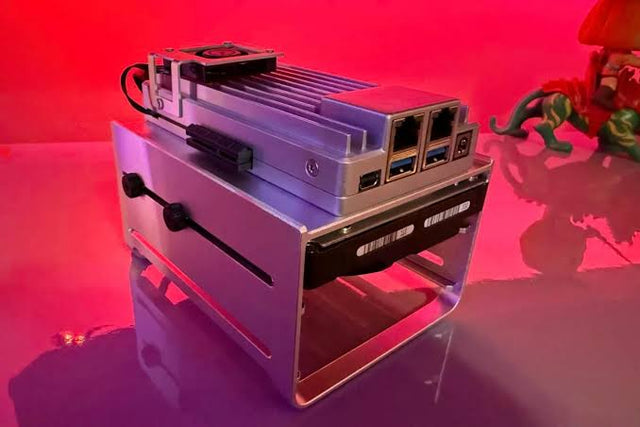
What Causes an AI Agent Planner to Repeat Steps It Already Completed?
Trace repeated planner steps through state persistence, completion evidence, tool-result parsing, context retention, retries, replanning, and stop conditions.
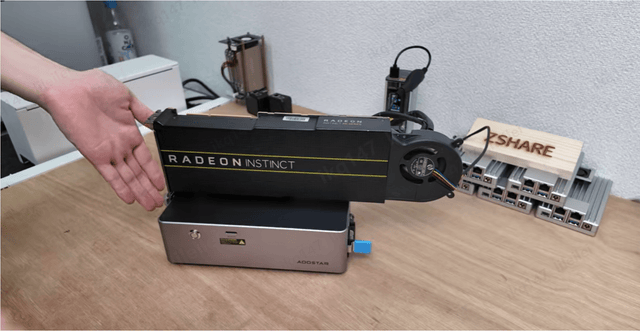
What Causes Permission Errors Only Inside AI Agent Subprocesses?
Compare parent and child identity, filesystem view, environment, capabilities, security policy, and executable path to diagnose subprocess-only denial.
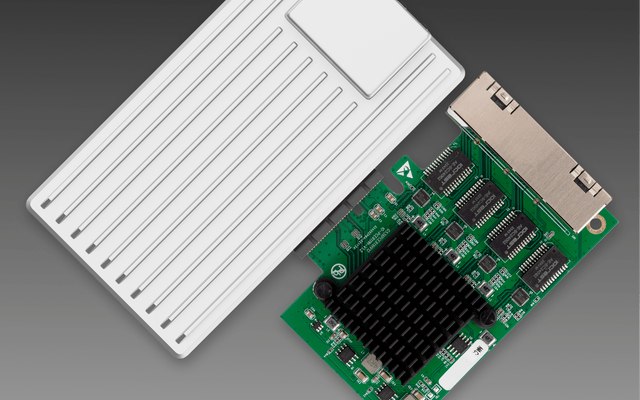
What Causes CPU Saturation When Hardware Transcoding and Video AI Run Together?
Trace CPU saturation across codec offload, pixel conversion, frame copies, AI preprocessing, audio, subtitles, storage, and process scheduling.


