
Why Single-Board Computers Offer More Freedom for DIY NAS Device Projects


A NAS device usually enters the picture for a simple reason. You need a safe place for backups, media, and personal files, and you want full control over where that data lives. The problem shows up later. Storage fills up, transfer speeds feel limiting, and a sealed system leaves very little room to adapt. A single-board computer changes that experience. It gives DIY users a compact foundation with enough flexibility to support storage growth, faster networking, quiet operation, and custom layouts that fit real home or lab needs.
What Is a Single-Board Computer?
A single-board computer is a complete computer built on one board, with the processor, memory, and core input and output functions integrated into a compact platform. In practical terms, it sits between a traditional desktop and a closed appliance. That balance is exactly why it attracts builders who want a smaller system without giving up control over hardware choices.
For anyone planning a NAS device, this format has clear appeal. The footprint stays modest, the system can fit into custom enclosures, and the hardware remains accessible enough for upgrades and maintenance. At the same time, single-board platforms are often efficient enough for always-on use, which matters when your storage server runs day and night.

Why the Format Fits DIY Storage Projects
A storage build rarely stays frozen in its original form. Today you may need basic file sharing and backups. A few months later, you may want an SSD for the operating system, separate drives for data, or faster network access for larger media libraries. A compact board makes those adjustments easier because the system is built with adaptability in mind.
That flexibility also helps with physical planning. A DIY user can decide how to place storage drives, manage airflow, and organize cables based on the space available. That kind of freedom matters in apartments, home offices, and small lab environments where every inch counts.
How It Differs From a Fixed Appliance
A closed appliance can be convenient at first, though that convenience often fades once your workload grows. Hardware decisions are mostly locked in. Expansion paths are limited. Cooling design, storage layout, and interface choices are often fixed from the beginning.
A single-board computer gives you a different kind of control. You can tailor the system to your own goals, then revise it as those goals change. For a DIY NAS device, that means the machine can evolve from a simple storage box into something far more capable without forcing a full replacement.
In What DIY Scenarios Does Accessible Hardware Design Matter Most?
Accessible hardware design becomes valuable the moment your storage server takes on another role. That happens all the time in real homes and small workspaces. One machine stores family photos, handles shared folders, supports media streaming, and hosts a few local services at the same time. As those tasks pile up, interface access and expansion headroom become much more important.
A NAS device built on a flexible platform is easier to adapt because the hardware is not hidden behind too many limitations. That saves time, money, and frustration when your use case changes.

Backup and Media Library Workflows
Storage is never static. File collections grow, backup policies expand, and media libraries become heavier than expected. A NAS device designed with accessible storage paths makes it much easier to add drives, separate cache from bulk storage, or reorganize the system for better performance.
That matters for people managing raw photos, family videos, music archives, or long-term work files. A rigid system can turn every change into a compromise. A flexible one gives you room to improve the setup without tearing it apart.
Home Lab and Local Services
Many DIY users do not stop at storage. They want the same machine to support containers, local dashboards, development tools, private cloud apps, or test environments. Once those workloads enter the picture, the value of exposed interfaces becomes obvious.
A compact board with good hardware access is easier to repurpose for a home lab server. You can separate storage workloads from application workloads, improve the boot setup, and prepare for future upgrades with less friction. That is a practical advantage, not a niche one.
Quiet, Always-On Setups
Noise is easy to ignore until a system lives in your bedroom, office, or living room. At that point, quiet operation becomes part of usability. A well-chosen low-power board can support efficient cooling and make fanless or near-silent designs much more realistic.
That is especially important for a NAS device that runs around the clock. If the system sits only a few feet away from where you work or relax, sound levels affect the entire experience. A compact platform gives you a better chance of building something that feels comfortable to live with every day.
How Does PCIe Expansion Improve DIY NAS and Home Lab Performance?
PCIe expansion is one of the strongest arguments for choosing a flexible hardware platform. It gives a small system the ability to take on bigger jobs later, which is exactly what many DIY users need. A board may look modest on day one, yet a good expansion path can keep it relevant for years.
For a NAS device, that kind of headroom is extremely valuable. Storage demands increase over time. Network speeds become a bottleneck. New services appear. PCIe helps solve those problems without forcing a complete hardware reset.
Faster Networking for Large Files
A lot of storage systems feel fine until the file sizes get serious. Large video projects, photo libraries, and frequent backups can quickly expose the limits of basic networking. Once that happens, transfer times begin to feel frustrating.
PCIe gives you a path to faster Ethernet, which can transform the everyday experience of using a NAS device on a busy home network. Shared folders respond better, media transfers move faster, and multi-user access feels much smoother.

NVMe Cache and High-Speed Storage
Storage performance is not only about raw capacity. Responsiveness matters too. A system that can use NVMe storage through PCIe has more options for cache, scratch space, application storage, or high-speed metadata handling.
In a DIY NAS build, those improvements can make the system feel far quicker during indexing, file browsing, thumbnail generation, and mixed workloads. It also gives the platform a stronger future if you later add containers or lightweight virtualized services.
A Better Upgrade Path
Performance is only part of the story. PCIe also protects your build from becoming obsolete too quickly. A board with expansion can grow with your needs. That means your original hardware choice has a longer useful life, which is one of the biggest benefits of building a compact storage server in the first place.
What DIY Projects Can You Build With a Compact Single-Board Computer?
A flexible system can support several roles over its lifetime, and that is part of its appeal. One project often leads to another. A compact board that begins as storage hardware can become a local service host, a small lab node, or a media-focused machine later on. That makes the platform a smart foundation for users who like to experiment and improve things over time.
For many people, one NAS device becomes the center of a broader personal infrastructure setup. That progression feels natural once the hardware has enough room to grow.
Compact Home Lab Cluster
A compact home lab cluster is a strong choice for users who want to learn practical infrastructure skills. Small nodes can host private services, test environments, monitoring tools, and internal applications without the size and noise of enterprise hardware.
This project works well for people who want hands-on experience with virtualization, service deployment, and network organization. It also pairs nicely with storage workloads, since lab experiments often benefit from shared local data.
Custom Retro Gaming Console
Retro gaming is another practical use case for a compact platform. Once storage needs change, the same board can move into a living-room role with local display output and enough storage for a curated game library.
That gives the hardware a second life without much waste. It also appeals to DIY users who enjoy building systems with a personal touch instead of buying something generic off the shelf.
Personal Cloud and Backup Server
This remains one of the most valuable projects in the category. A NAS device built as a personal cloud and backup server can support shared folders, remote access, media organization, and automatic backups for a household or a small creative team.
The benefit is not only convenience. It is confidence. You know where the data lives, how the system is configured, and what upgrade options remain available if usage grows.
How to Choose the Right Single-Board Computer for Different Needs
Choosing the right platform gets easier once you look at the project through a practical lens. The main questions are simple. How much storage will you need in a year? How fast does the network need to be? Will the system only hold files, or will it also run local services and experiments?
That approach leads to better decisions because it connects the hardware directly to daily use. For a NAS device, the best platform is the one that matches both current needs and likely next steps.

Processor Architecture: x86 vs. ARM
Processor architecture shapes software compatibility, power use, and long-term flexibility. x86 is often the easier fit for users who want familiar compatibility with many home lab tools and server-oriented operating systems. ARM can be very attractive in compact and efficient systems, especially when the intended software stack already supports it well.
The smart move is to match the architecture to the workloads you actually plan to run. Storage alone may leave room for either path. Storage plus local apps, media tasks, and home lab services often requires a closer look.
Storage, Networking, and Expansion
Interfaces deserve as much attention as the processor. A board may look excellent on paper, then become frustrating if storage options are too limited or network upgrades are difficult.
| Use case | Main priority | Why it matters |
| Family backups and file sharing | Stable storage layout and quiet cooling | Always-on systems need reliability and low noise |
| Media libraries | Fast storage access and strong network throughput | Large files expose weak links quickly |
| Home lab services | Expansion room and good memory support | Mixed workloads grow over time |
| Private cloud setup | Flexible storage and secure remote access planning | Convenience depends on solid infrastructure |
| Long-term upgrades | PCIe expansion and clear hardware access | The platform stays useful much longer |
Documentation and Long-Term Usability
Good documentation saves enormous amounts of time. It shortens setup, reduces troubleshooting, and makes future changes less risky. That matters a lot in DIY environments, because the builder is also the person responsible for maintenance.
When comparing options, it is worth asking a simple question. If something breaks or needs to change, how hard will it be to find reliable guidance? A platform with clear support resources often becomes the better choice, even if the raw specs are slightly less exciting.
Single-Board Computers Give DIY Builders More Freedom to Create
The biggest advantage of a flexible platform is not a single feature. It is the freedom to keep building. A NAS device may begin as a quiet backup system, then grow into a media server, a private cloud, or a compact home lab node. A single-board computer supports that journey because it leaves room for upgrades, learning, and new ideas. For DIY users who want control, adaptability, and a better long-term path, that is a very compelling place to begin.
FAQs about DIY NAS setup and safety
Q1. Do you need ECC memory for a DIY NAS device?
Not always. ECC memory is most useful in systems that store critical data, stay online constantly, or run virtualization and heavy background services. For light home use, non-ECC memory can still be practical. If data integrity is your top priority, ECC is worth considering during platform selection.
Q2. Is RAID the same as a backup?
No. RAID improves availability and can reduce downtime after a drive failure, but it does not protect you from accidental deletion, ransomware, file corruption, or user error. A solid NAS device still needs separate backups, ideally with another local copy or an off-site copy.
Q3. Can a NAS device boot from a USB drive?
Yes, in many cases, but it is not always ideal. USB boot can work for lightweight setups or testing, though long-term reliability depends on the operating system, logging behavior, and drive quality. A dedicated SSD is usually a better choice for stability and easier maintenance.
Q4. Do you need a UPS for a home NAS device?
Usually yes, if the data matters. A UPS helps prevent sudden shutdowns during power loss, which lowers the risk of file system damage, interrupted writes, and hardware stress. It also gives you time for a graceful shutdown, which is especially useful for always-on storage systems.
Q5. Is remote access safe on a DIY NAS device?
Yes, with careful setup. Remote access becomes much safer when you use a VPN, strong passwords, multi-factor authentication, and regular updates. Directly exposing management ports to the internet is a riskier approach. For most home users, a VPN-based method is the more sensible option.

Recommended products


Zima Campaign Hub
More to Read
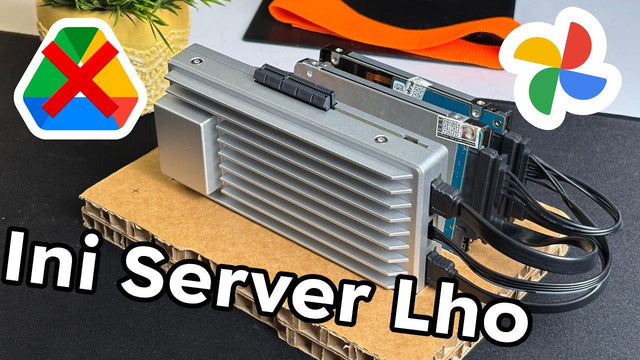
How Rez Tech Builds His Own Personal Cloud With ZimaBoard 2
Rez Tech builds a personal cloud with ZimaBoard 2, two local drives, RAID 1, and ZimaOS, then tests file access, 4K HDR media, and...

Silicon Steak Shrinks His Homelab With ZimaBoard 2
Silicon Steak explores whether ZimaBoard 2 can replace a much larger homelab machine, testing storage, media playback, Minecraft, Pi-hole, self-hosted apps, and ZimaOS management.

How Smart Life Builds a Private Cloud with ZimaBoard 2
Smart Life turns ZimaBoard 2 into a home destination for phone photos and videos, showing the hardware build, ZimaOS storage setup, phone connection, and...


